Essential Hand Tools Every Plumber Needs
When it comes to plumbing, having the right tools is crucial for efficiency and effectiveness. In this guide, we will explore the Essential Hand Tools Every Plumber Needs to tackle any job, whether it’s a simple repair or a complex installation. From wrenches to pliers, these tools are indispensable for any plumbing professional. Let’s dive into the top plumbing tools that every plumber should have in their arsenal.
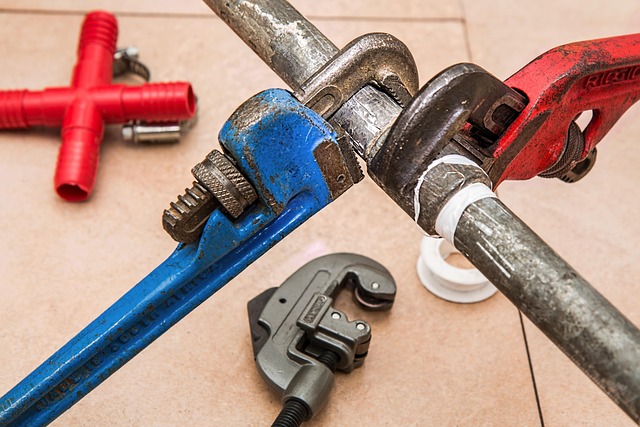
1. Pipe Wrench
The pipe wrench is one of the most iconic top plumbing tools. It’s designed to grip and turn pipes, making it essential for any plumbing task involving threaded pipe connections. Here’s why every plumber needs a pipe wrench:
- Adjustable Jaws: Allows for gripping different pipe sizes.
- Durability: Made from strong materials, ensuring longevity.
- Versatility: Suitable for both residential and commercial plumbing jobs.
Types of Pipe Wrenches
There are several types of pipe wrenches available:
- Standard Pipe Wrench: Ideal for gripping round objects.
- Chain Wrench: Perfect for large pipes and fittings.
- Strap Wrench: Useful for delicate surfaces that need protection.
2. Adjustable Wrench
The adjustable wrench is another essential tool in the plumber’s toolbox. It provides versatility and ease of use for various tasks.
- Adjustable Jaw: Fits multiple sizes of nuts and bolts.
- Compact Design: Easy to carry and store.
- Multi-Functional: Can be used for plumbing, automotive, and general repairs.
How to Use an Adjustable Wrench
To use an adjustable wrench effectively:
- Open the jaw to fit around the nut or bolt.
- Turn the handle to tighten the grip.
- Apply force in a counter-clockwise direction to loosen.
3. Basin Wrench
A basin wrench is specifically designed for tightening and loosening nuts in tight spaces, particularly under sinks. This tool is a must-have among the Essential Hand Tools Every Plumber Needs.
- Long Handle: Provides leverage in confined areas.
- Pivoting Jaw: Grips nuts from various angles.
When to Use a Basin Wrench
Use a basin wrench when:
- Installing or removing faucets.
- Accessing hard-to-reach plumbing connections.
4. Pliers
Pliers come in various types, each serving a unique purpose. Here are the essential types of pliers every plumber should have:
- Slip Joint Pliers: Adjustable and versatile for gripping various shapes.
- Needle Nose Pliers: Ideal for reaching into tight spots.
- Cutter Pliers: Used for cutting wires or small pipes.
Choosing the Right Pliers
When selecting pliers, consider:
- The size of the job.
- The type of material you will be working with.
5. Screwdrivers
A good set of screwdrivers is crucial for any plumber. Here are the types you should include in your toolkit:
- Flathead Screwdriver: Useful for slotted screws.
- Phillips Screwdriver: Fits cross-shaped screws.
- Multi-Bit Screwdriver: Offers various tips in one tool.
Tips for Using Screwdrivers
To use screwdrivers effectively:
- Choose the right size for the screw.
- Apply steady pressure to avoid stripping the screw.
6. Hacksaw
The hacksaw is essential for cutting through metal and plastic pipes. Its design allows for precise cuts, making it one of the Essential Hand Tools Every Plumber Needs.
- Replaceable Blades: Ensures longevity and efficiency.
- Adjustable Tension: Provides better control while cutting.
How to Use a Hacksaw
To use a hacksaw:
- Secure the pipe in a vice or clamp.
- Align the blade with the marked cutting line.
- Use a steady back-and-forth motion to cut through the material.
7. Pipe Cutter
For clean and precise cuts, a pipe cutter is an indispensable tool. It’s especially useful for copper and PVC pipes.
- Clean Cuts: Reduces the need for additional filing.
- Easy to Use: Simply rotate around the pipe to cut.
Benefits of Using a Pipe Cutter
Using a pipe cutter offers several advantages:
- Minimizes burrs on the cut surface.
- Allows for better fitting when joining pipes.
8. Teflon Tape
While not a tool in the traditional sense, Teflon tape is a crucial item in any plumber’s toolkit. It’s used for sealing threaded connections to prevent leaks.
- Easy Application: Simply wrap it around the threads before screwing the fittings together.
- Cost-Effective: A small investment that can save significant repair costs.
When to Use Teflon Tape
Use Teflon tape in situations such as:
- Connecting pipes.
- Sealing fittings on faucets and valves.
9. Plumber’s Torch
A plumber’s torch is essential for soldering copper pipes. It allows for precise heating, making it a vital tool for any plumber.
- Versatile Heating: Can be used for various soldering tasks.
- Portable: Easy to carry and set up on job sites.
Safety Tips for Using a Plumber’s Torch
When using a plumber’s torch, remember to:
- Wear protective gear.
- Ensure proper ventilation.
- Keep flammable materials away from the work area.
10. Level
A level is crucial for ensuring that installations are straight and aligned. It’s particularly important for hanging fixtures and installing plumbing systems.
- Types of Levels: Available in various styles, including bubble levels and laser levels.
- Accuracy: Ensures proper alignment, which is critical for plumbing efficiency.
Using a Level Effectively
To use a level:
- Place it on the surface you want to check.
- Adjust until the bubble is centered between the lines.
In conclusion, having the right tools is essential for any plumber to perform their job efficiently. From pipe wrenches to levels, each tool plays a unique role in ensuring plumbing tasks are completed effectively. Investing in these Essential Hand Tools Every Plumber Needs will not only improve your efficiency but also enhance the quality of your work.
For more information on plumbing tools and techniques, visit Plumbers Planet.
Innovative Plumbing Technology for Efficiency
In today’s fast-paced world, the demand for efficiency is paramount, and the plumbing industry is no exception. Innovative plumbing technology for efficiency is transforming how we approach water management, leak detection, and system maintenance. This blog explores the latest advancements that are setting new standards in plumbing efficiency.
Smart Plumbing Systems: Revolutionizing Water Management
One of the most significant advancements in innovative plumbing technology for efficiency is the emergence of smart plumbing systems. These systems utilize IoT (Internet of Things) technology to monitor water usage in real-time. Here’s how they work:
- Real-Time Monitoring: Smart sensors track water flow and usage patterns, providing insights that help homeowners reduce waste.
- Leak Detection: Advanced algorithms can detect leaks early, preventing costly damage and excessive water bills.
- Remote Control: Users can control their plumbing systems remotely through smartphone apps, allowing for quick adjustments.
Benefits of Smart Plumbing Systems
By integrating smart technology into plumbing systems, homeowners can experience:
- Reduced water bills due to efficient usage.
- Lower risk of water damage through early leak detection.
- Improved convenience with remote management capabilities.
Tankless Water Heaters: Energy-Efficient Solutions
Another remarkable example of innovative plumbing technology for efficiency is the tankless water heater. Unlike traditional water heaters that store hot water, tankless models heat water on demand. This shift offers numerous advantages:
- Energy Savings: By only heating water when needed, homeowners can save on energy costs.
- Space-Saving Design: Tankless units are compact and can be installed in smaller spaces, freeing up valuable room.
- Unlimited Hot Water: These systems provide a continuous supply of hot water, making them ideal for larger households.
Choosing the Right Tankless Water Heater
When selecting a tankless water heater, consider the following:
- Flow rate requirements based on household needs.
- Energy efficiency ratings for cost savings.
- Installation costs and space availability.
Advanced Pipe Inspection Technologies
Innovative plumbing technology for efficiency also includes advanced pipe inspection technologies. These tools allow plumbers to assess the condition of pipes without invasive procedures:
- Video Inspection: High-resolution cameras are used to inspect pipes, identifying blockages and damage.
- Hydro Jetting: This technique uses high-pressure water to clear clogs and clean pipes, improving flow efficiency.
Advantages of Pipe Inspection Technologies
Utilizing advanced inspection technologies can lead to:
- Reduced need for costly repairs by identifying issues early.
- Minimized disruption to property during maintenance.
- Enhanced understanding of plumbing systems for better management.
Water-Saving Fixtures: A Sustainable Approach
Innovative plumbing technology for efficiency also encompasses water-saving fixtures. These products are designed to reduce water consumption without sacrificing performance:
- Low-Flow Toilets: These toilets use significantly less water per flush, contributing to overall water conservation.
- Water-Efficient Faucets: Aerated faucets reduce water flow while maintaining pressure, saving water during daily tasks.
Implementing Water-Saving Fixtures
To maximize efficiency, consider the following when selecting water-saving fixtures:
- Look for fixtures with the WaterSense label for certified efficiency.
- Assess compatibility with existing plumbing systems.
- Evaluate user reviews for performance insights.
Innovative plumbing technology for efficiency is paving the way for smarter, more sustainable water management practices. With advancements in smart systems, tankless water heaters, advanced inspection technologies, and water-saving fixtures, homeowners can significantly reduce their environmental impact while enjoying enhanced convenience and savings. For more insights on top plumbing tools, visit Plumbers Planet.
For further reading and resources on plumbing technology, check out Plumbing Magazine and National Association of Home Builders.
Must-Have Power Tools for Plumbing Projects
When it comes to plumbing projects, having the right tools can make all the difference. Whether you’re a professional plumber or a DIY enthusiast, understanding the must-have power tools for plumbing projects is essential for efficiency and effectiveness. In this article, we’ll explore the key tools you need to tackle any plumbing job with confidence.
Essential Power Tools for Every Plumber
Power tools can significantly reduce the time and effort required for plumbing tasks. Here are the top must-have power tools for plumbing projects:
1. Cordless Drill
A cordless drill is a versatile tool that every plumber should have. It can be used for:
- Drilling holes for pipes and fixtures
- Driving screws into various materials
- Removing old fixtures with ease
Look for a model with adjustable speed settings and a variety of drill bits to enhance your plumbing capabilities.
2. Pipe Wrench
While not a power tool in the traditional sense, a pipe wrench is a crucial tool in plumbing. It allows you to:
- Grip and turn pipes securely
- Loosen or tighten fittings without damaging them
Invest in an adjustable pipe wrench to accommodate different pipe sizes.
3. Angle Grinder
The angle grinder is one of the most powerful tools in a plumber’s arsenal. It can be used for:
- Cutting through metal pipes
- Grinding and polishing surfaces
- Removing old pipes and fittings
Make sure to use the appropriate blade for the material you are working with.
4. Reciprocating Saw
A reciprocating saw is ideal for demolition work and can easily cut through various materials. Benefits include:
- Quickly cutting through pipes and drywall
- Accessing tight spaces where other saws cannot reach
Choose a model with variable speed settings for better control.
Specialized Tools for Plumbing Projects
In addition to general power tools, there are specialized tools that are also must-have power tools for plumbing projects. These tools can enhance your plumbing efficiency:
5. Pipe Cutter
A pipe cutter is essential for making clean, precise cuts in pipes. It allows you to:
- Reduce the risk of burrs and jagged edges
- Cut pipes quickly and easily without damaging them
Look for a model that can handle a variety of pipe sizes.
6. Drain Auger
When dealing with clogged drains, a drain auger is a lifesaver. It helps to:
- Clear blockages effectively
- Reach deep into pipes to remove stubborn clogs
Invest in a powered auger for larger jobs or frequent use.
7. Heat Gun
A heat gun can be used to soften plastic pipes and fittings, making them easier to work with. Advantages include:
- Quickly heating materials for easier manipulation
- Assisting in soldering and welding tasks
Ensure you use it carefully to avoid damaging the pipes.
Safety Gear for Plumbing Projects
Alongside your must-have power tools for plumbing projects, safety gear is equally important. Always wear:
- Safety goggles to protect your eyes
- Gloves to prevent cuts and scrapes
- Ear protection when using loud power tools
Where to Find Quality Power Tools
For high-quality plumbing tools, consider visiting trusted retailers or online platforms. Websites like Home Depot and Lowe’s offer a wide selection of plumbing tools that can meet your needs.
For more information on top plumbing tools, check out Plumber’s Planet.